Sunday, June 4, 2017

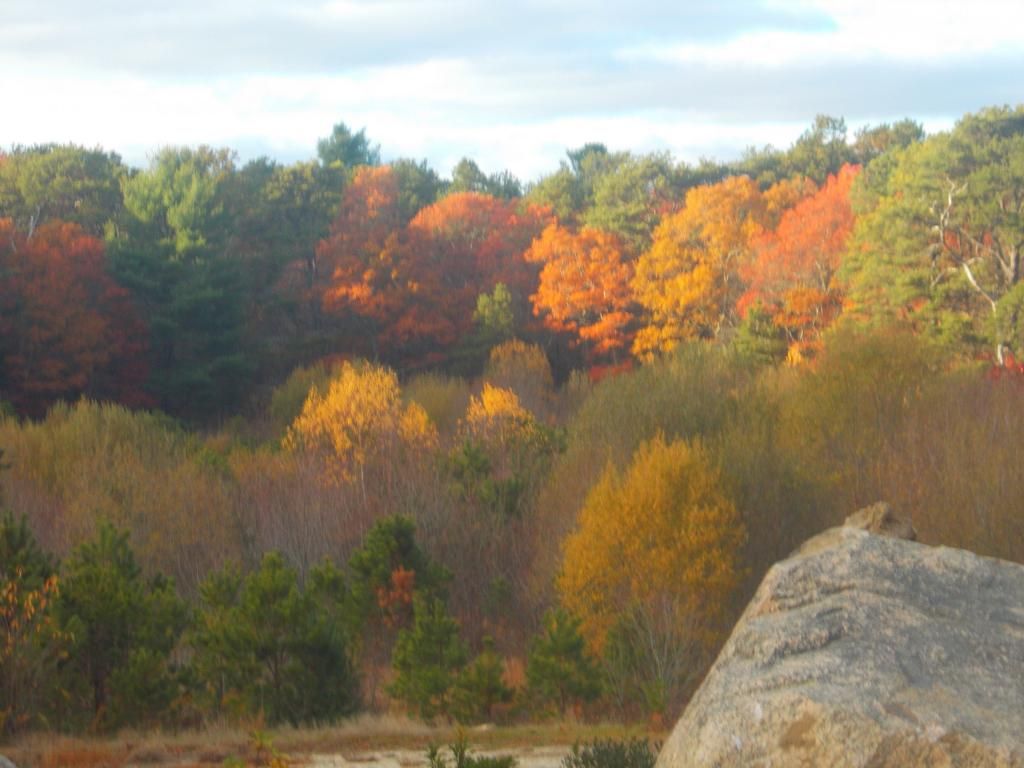
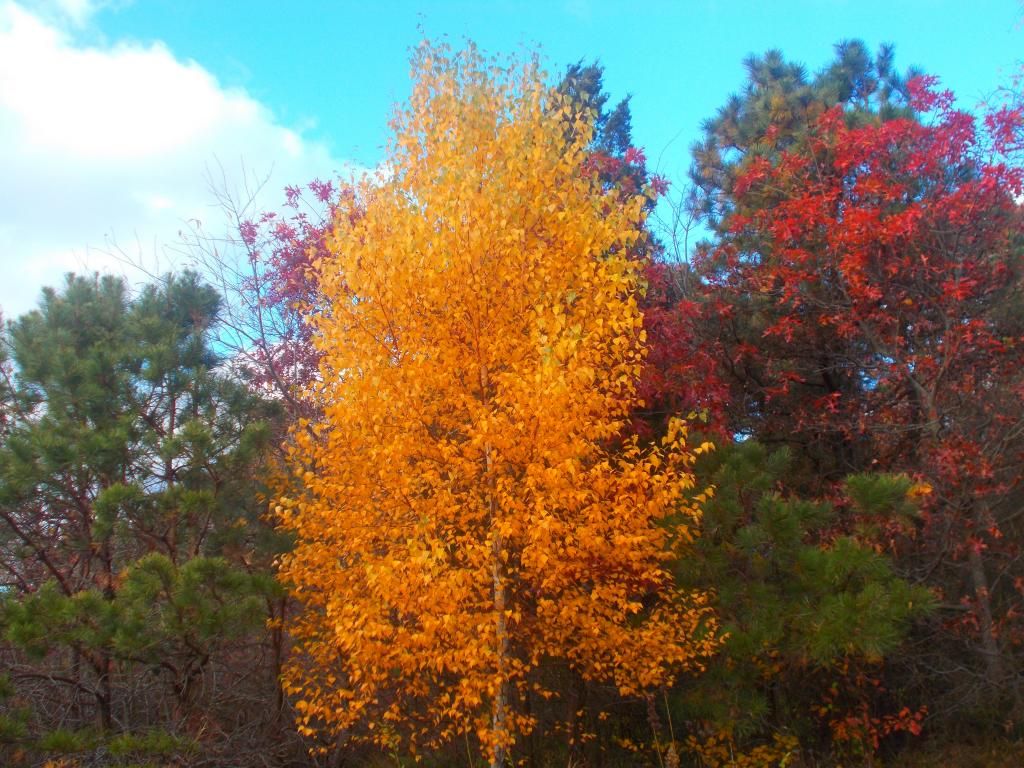
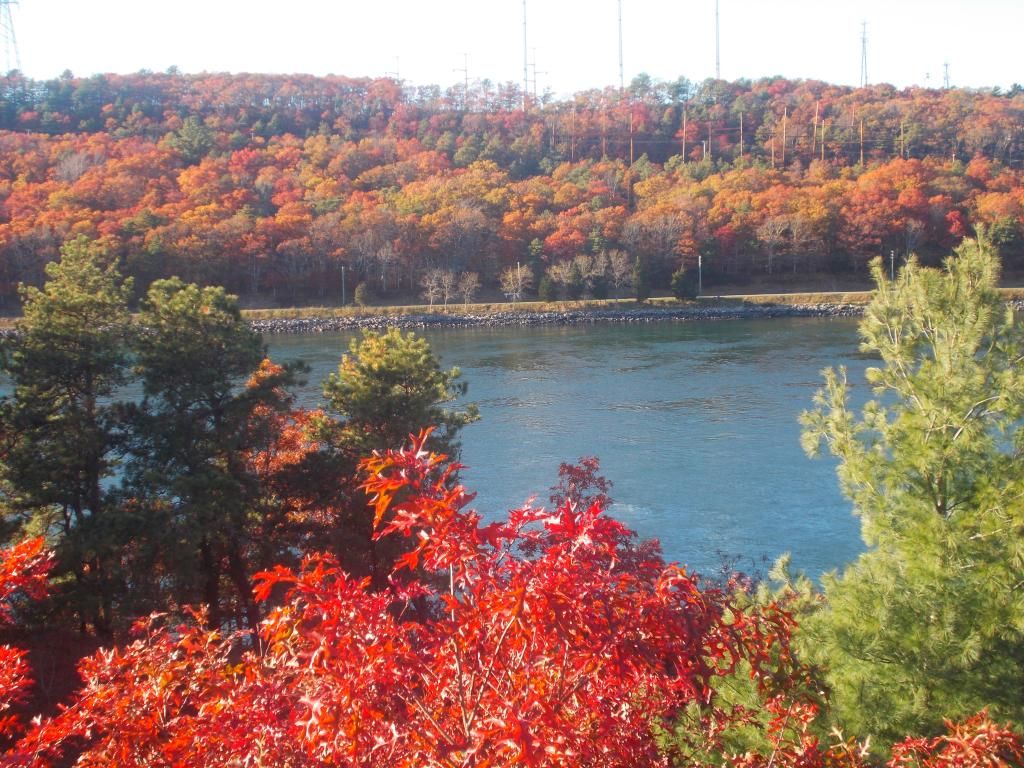
Foliage 2014 (Archives)

Gettin' My Peep On...


Southeastern Massachusetts is technically New England, but it is very different from the Vermont-style New England. This is especially true for foliage.

Much like how one doesn't go to Vermont to watch an ocean storm, one also tends to avoid Southeastern New England when planning foliage drives. God planned it that way. It's the Berkshire's revenge for not having beaches.

It's tough to blame someone for this. You would be much better served going to New Hampshire for their peak foliage season than you would be going to Plymouth on Halloween.

No offense to Cranberry County, but we have several factors working against us when it comes to foliage. With the Vermont/ocean storm comparison, it's fairly simple: Vermont doesn't have an ocean. With SE Massachusetts, it's more complex.
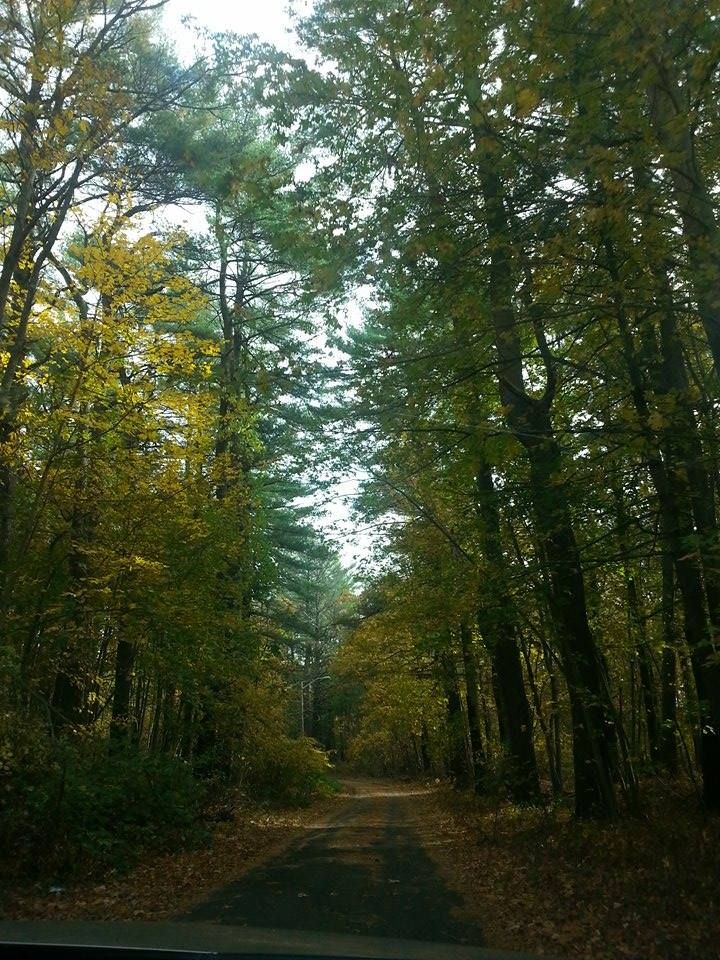

For starter's, we have the wrong kind of trees. While it gets worse the closer you get to the coast, the main problem is that our dominant tree is the Pine. Pine trees are cool, but they don't turn red like a Maple tree does.

Part of that problem is the sandy soil, part of it is the higher coastal winds. Pines grow in sandy soil, and pine needles catch less wind (and take down less tree branches) than trees which have broader leaves. Even in optimal conditions, we have difficulty providing a God Shot for a leaf-peeper.

We also have the wrong time of year for peak foliage. Vermont and Maine peak in September. Cape Cod peaks after Halloween. That is a month and change of October weather, which we're just about to get to.

We have the wrong weather for fall foliage. SE Massachusetts has almost no chance of making it to Halloween without a rain/wind event that blows the leaves (and especially the broad, colorful ones) off of the trees. Generally, by Devil's Night, you need to look to the ground if you want to see colorful leaves in Falmouth.

Don't believe me? Look!
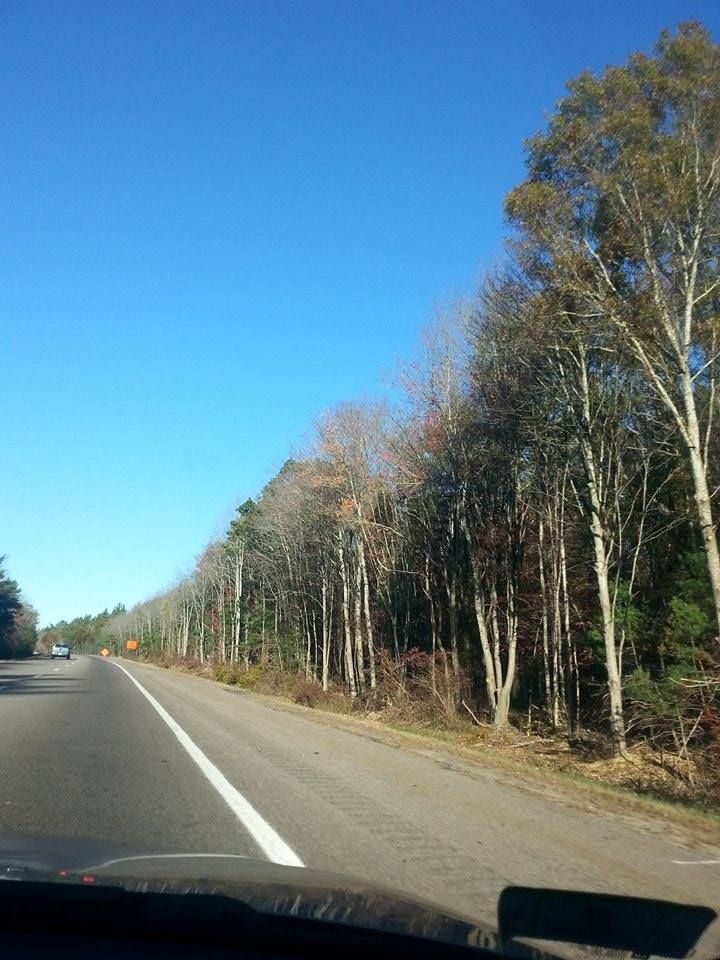

However, all is not lost. You can get your peep on in Cranberry County. You just have to know where to look.

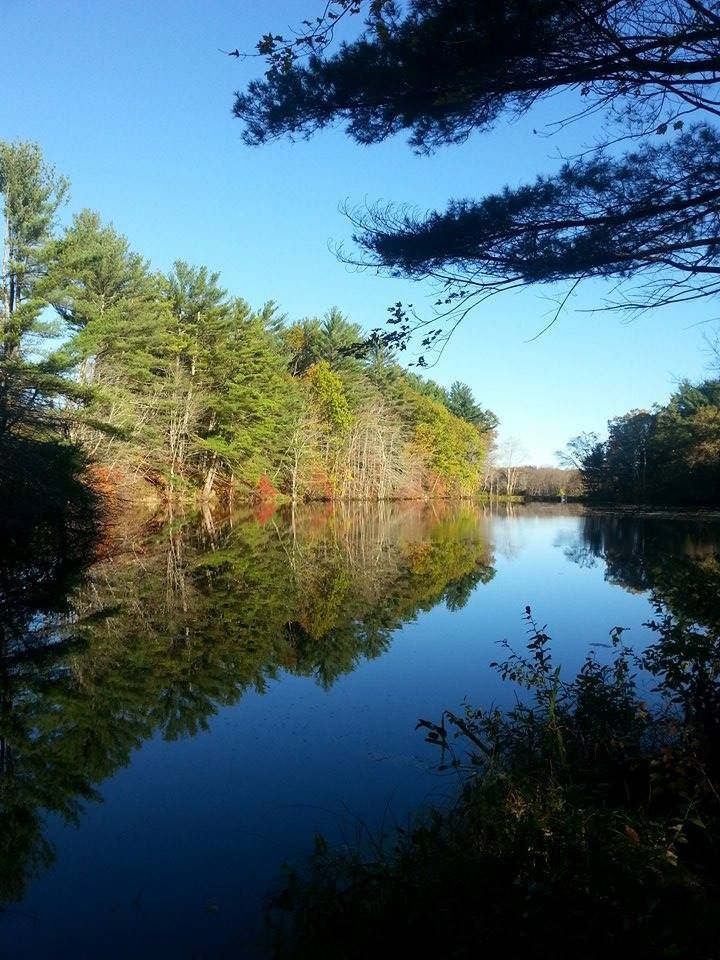
You're not going to get any sweeping mountain views. Our lakes tend to be surrounded by pine as well, at least the ones I visited. SE Massachusetts foliage viewing is best done more by marathon driving where you look for little bursts of color.

If foliage were football, New Hampshire would be a dynasty team like the 60s Packers or the 70s Steelers. Massachusetts, she's more like a Pop Warner team that tries really hard and makes a cool play now and then. This is especially true the further east one goes.

We apologize for that, and will try to make up for it with beach days and cranberry bogs. We want you happy when you're here.
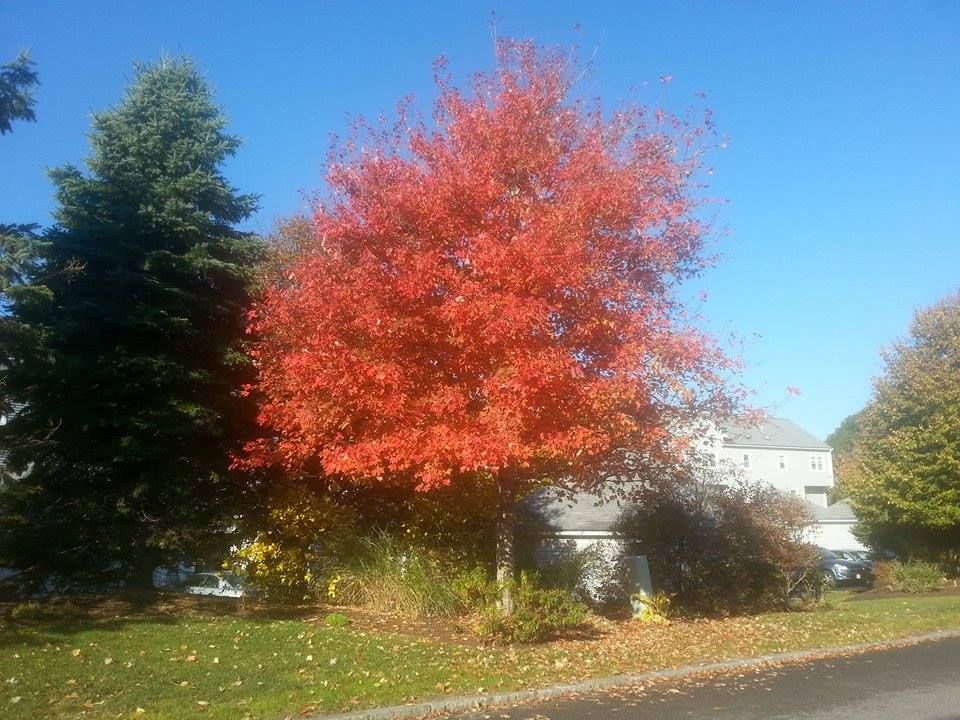

We tried a few different Peep Drives. We tend to go Rural when we Peep, although we some some excellent but not-that-nature-looking red trees outside a Shaw's Supermarket. Here are the basic routes we took, always starting from Buzzards Bay:

- Route 195 to Fall River (Fall River isn't really known for their foliage, but we needed some Lizzie Borden House shots for the Halloween article), then Route 81 or something into Tiverton, RI (Cranberry County crosses state lines now and then, when it suits us), then Route 6 back to B-Bay.

- Route 495 to Route 105, which we followed into Halifax, then Route 106 to Kingston, followed by 53 and 3A to the North Hill Nature Reserve in Duxbury, followed by Rte 3A back to Bourne, and Rte 6 back to Buzzards Bay.

- Route 495 to Rte 58 in Hanson, then a sort of Route 27/36/14 mix where we were mostly scoping out numerous Pembroke lakes, then 3 South back to the Cape.

I should add that we are providing a valuable public service. There's a storm coming, and that storm will probably be All She Wrote for foliage in Massachusetts. We didn't have much foliage left after the last storm, and this storm looks to be equal or greater. The season will be over tonight, when the winds pick up.

We'll do a storm article after the storm starts, we're too new to be breaking news to anyone yet. Maybe after we get some followers...

Anyhow, we were out as late as Friday afternoon taking pics, so we got the grand finale for a leaf peeper in this part of the state.


Cranberry County does have some nice scenery. While we lack the sweeping mountain views, we have farms, hills, forests and shorelines where the colors make their stand.

If we were Maple Syrup County Magazine, you'd be much better off today. We aren't, however. We'll make up for it with ocean storm photos tonight, I promise. I'll head out to a north-facing beach at high tide, see what I can do with a phone-cam.

We're not really awesome writers, nor are we awesome photographers. Our chief skill is being centrally located, having free time, and our willingness to drive into the heart of the story. Leaf-peeping is an easy-if-lengthy process, but storm chasing has put me near death more than once.

It's that kind of mindset that eventually leads us to a Black Tree.


Note the high tech camera work visible in the rear view mirror. That tree was actually blacker IRL than it came out in the pic, but that's how the cookie crumbles, kids. The leaves will probably blow off of it tonight.

But enough talk of Storms and Black Trees. We are here to see color, not the absence of light.

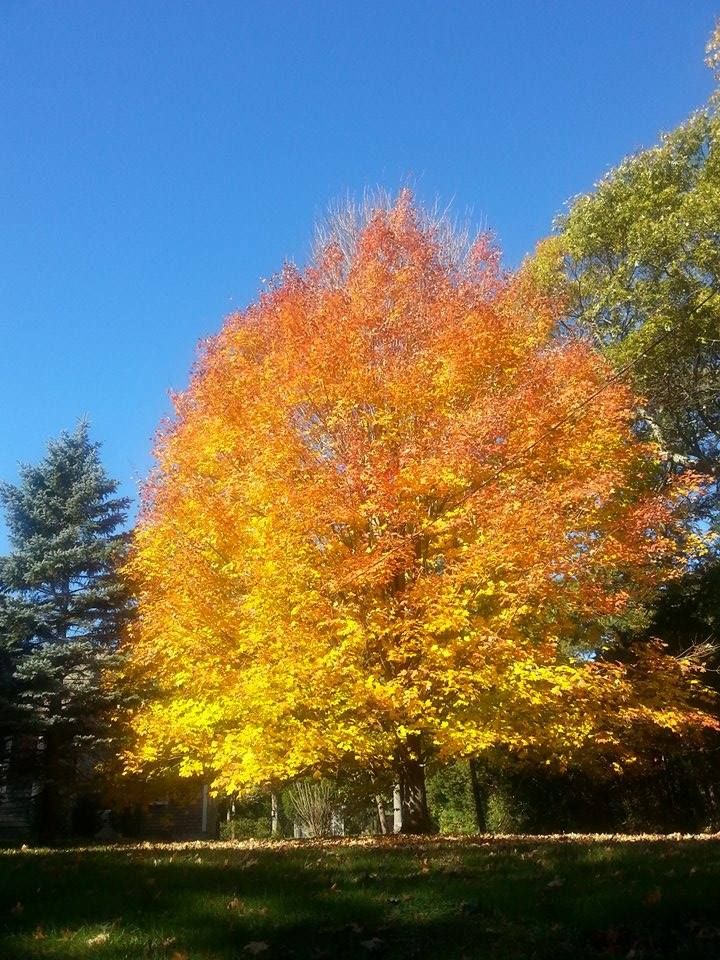
Before I forget, the pics, in order from the top, are Duxbury, Hanson , Marion, Middleboro, Monponsett, Carver, and Monponsett one more time.

This pic below is, and I'm working from memory here, Plympton.


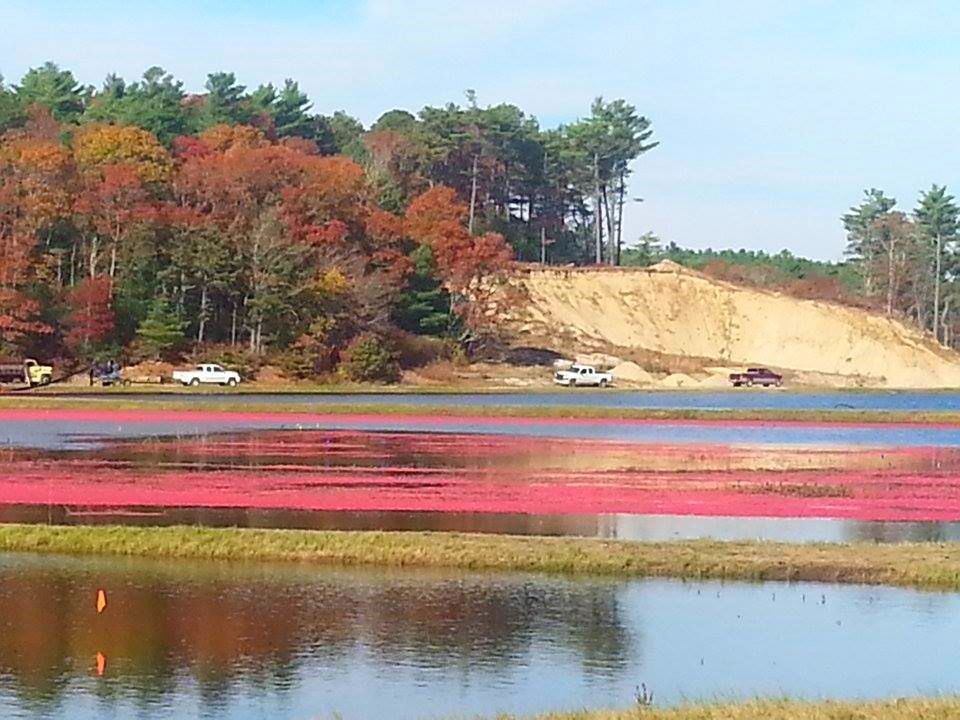
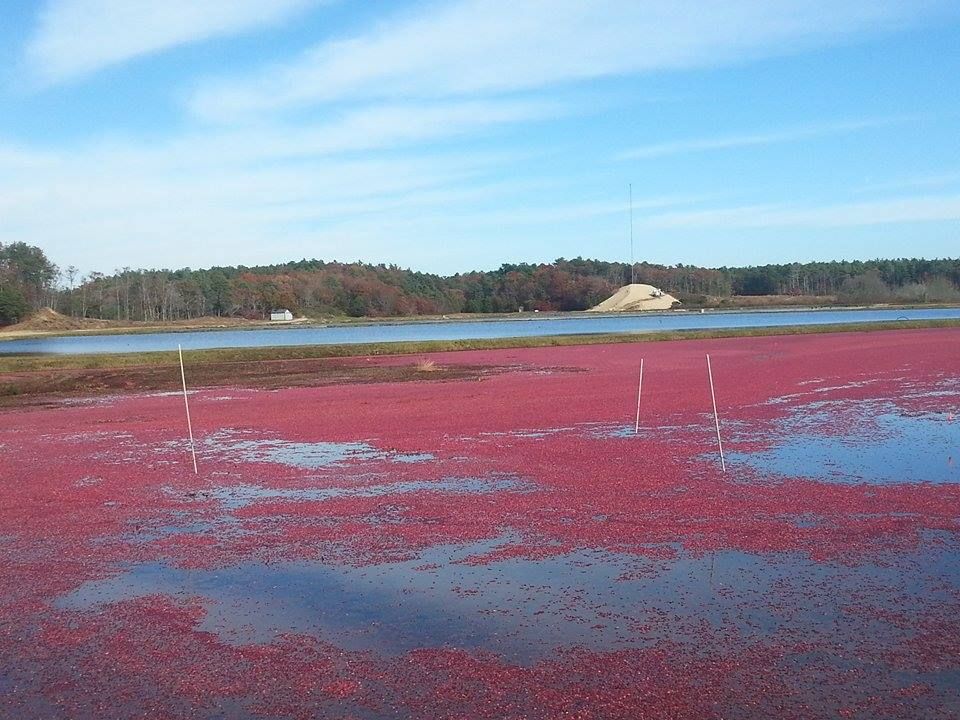
We'll be doing a whole article or three on the cranberry harvest, we only have that shot in there because i was playing with photo editing.

Plympton is one of my favorite towns. It has nothing at all to offer aside from peace and quiet. When I was teaching, I gave the kids a Mapquest assignment to find the most isolated house in what we are now calling Cranberry County. Several of the kids, independent of each other, drew their focus onto some farmer in Plympton who was a mile from his neighbors... who, I might add, were pretty isolated themselves.

Plympton has some cool farms, which I'd take my ghetto students to when I wanted them to see cows or corn growing. There are about 10 kids (adults now) from Cambridge and Roxbury who have disproportionate knowledge about an isolated cow town that they most likely will never visit or encounter again. It's probably for the best.
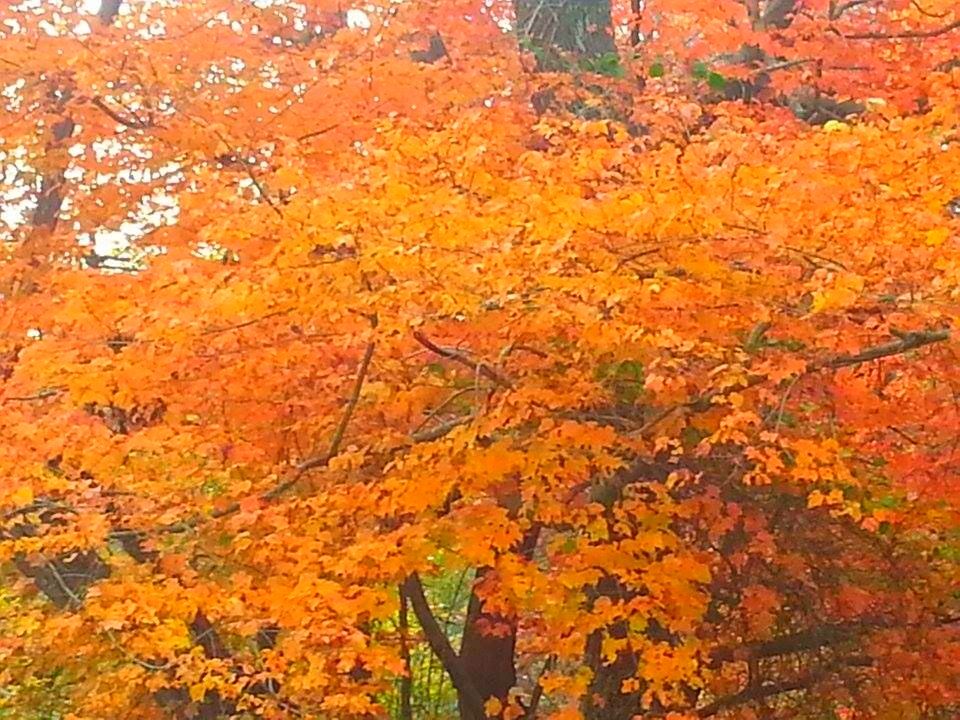


This is a tree from Bournedale, It's in front of a beautiful lake, but you'll never see it because the tree is on a treacherous corner and there is nowhere safe to stand near it... short of inviting ourselves into someone's yard. I shot this out of the window of a moving car.

Sometimes, a journalist has to work from a car. This is especially true when writing Fall Foliage articles. We'd rather give you a wide-ranging tour of the region, rather than one where we walk a lot in a single forest. We tried that in Duxbury, and saw not one color aside from green.

That's even more true for snow pictures, as we'd have to work a lot to cover 100 yards in a blizzard. We'd also kill the camera, which is what we did in that blizzard last year. That's why you see Jessica shooting a phone out the window in the Black Tree shot up above.

Our two upgrades will be a waterproof camera and an old-school Jeep Cherokee for the beach work. That's probably going to have to wait until Christmas, however.


Once we get better gear, we'll go further North for our leaf peeping. However, I love this corner of the state, you just have to work a little harder.

We did go crazy with the cam in Bourne. We're based in Bourne, and we're generally armed with a camera as we move around our daily business.

Bourne, and especially the village of Bournedale, are very good for foliage. We'll finish up there.


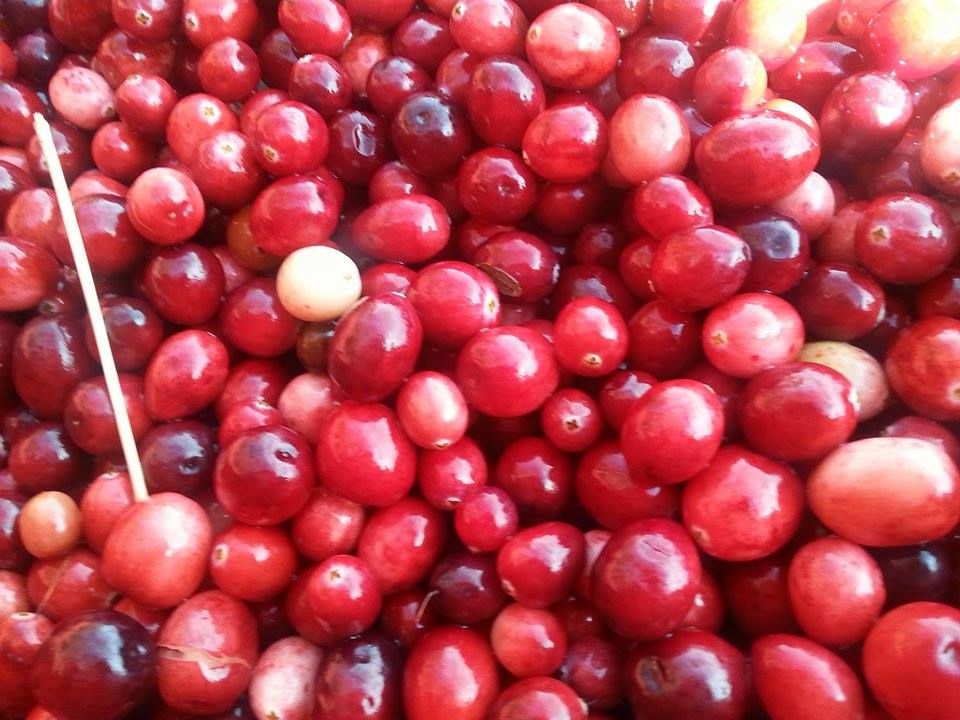
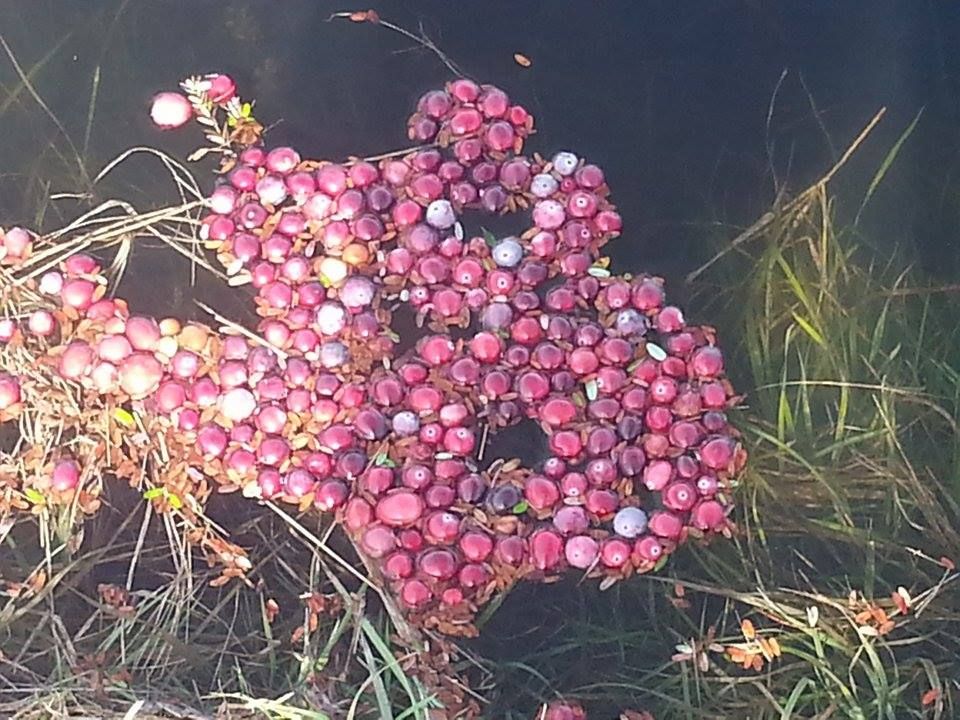
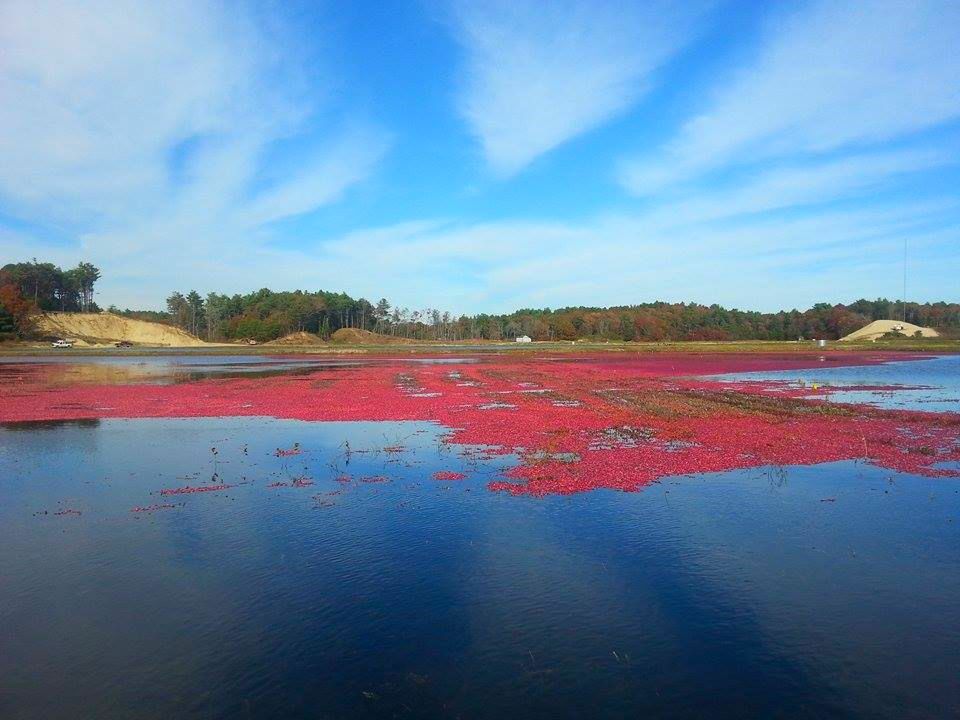

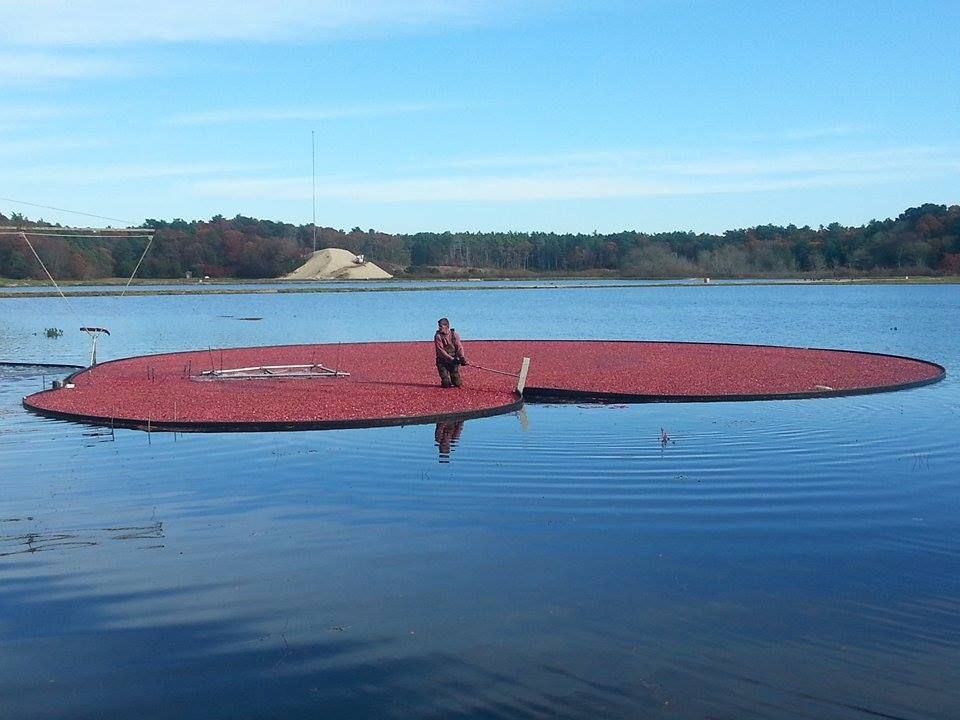
Harvest 2014 (Archives)

Mann Farms, Buzzards Bay

Thanksgiving is just around the corner, and- let's be honest here- if your table doesn't have cranberry sauce on it, your table is both lacking and losing.

People love their cranberry sauce, and it adds a bit of red to the holiday spread. It even supports the local economy, so you can dine in good conscience.

If the other grandmother in the family ends up hosting every year, it could very well be because your grammy isn't coming correct with the sauce. Your grammy really should know better. She can get a smack for that.

Opening up a can of Ocean Spray will do, although anyone living in eastern Massachusetts has access to fresh cranberries and really should be making their own sauce. That access may or may not be dependent on your willingness to sneak onto someone's bog on a cold November night with a bucket. We'll get to that in a future article.


The Cranberry is one of North America's native fruits that are really huge commercially, along with the Blueberry and the Concord (named for Concord, Massachusetts, the scored-a-win side of Lexington/Concord fame) Grape.

It was originally named Crane-berry because it looked like a crane to some people. They were also called Bearberries because bears in New England would gorge on them. In parts of the Canada, it's called a Mossberry. The English back in Old England call them Fenberries (fen = marsh), of all things.

They were first utilized by Algonquin peoples, who got food, medicine and dye out of the local berry. They were most likely introduced by the Wampanoag people to starving Pilgrims in 1621. Pemmican made with cranberry was a popular trading item that would bring handy English stuff to the Wampanoag people, so the berry was very much involved in facilitating trade (and, therefore, contact) between Native and English cultures.


The cranberry was pretty handy for the English, as well. They were growing wild anywhere in New England that had swamp... which, at last count, was everywhere. You could store them for winter eating. You could sell them to sailing ships, as frequent cranberrying prevents Scurvy.

Captain Henry Hall of Dennis, Massachusetts was the first American to grow them commercially. He is also the one who discovered that cranberry vines do better if they have a thin layer of sand over them during the winter. He was shipping them to England soon after, and it was not many moons at all before the Cranberry was a worldwide sensation.

We'll work some more cranberry facts into the article later on, but we have to talk Turkey first. Cranberries, while welcome at Christmas and Easter, are a Thanksgiving staple.


I'd rank the importance of items on the Thanksgiving table as:

1) Turkey
2) Gravy
3) Sweet or Mashed Potato
4) Stuffing
5) Tie between Pumpkin Pie and Cranberry Sauce, with me favoring Cranberry Sauce while having enough respect for the Pie People not to make it #6.

The cranberry almost immediately became a holiday staple once it was introduced commercially, both in America and Europe. Abe Lincoln probably had cranberries at Thanksgiving, just like you do.

Abe Lincoln didn't have a fridge or a microwave, so he never was able to nuke up the leftovers for a Thanksgiving Sandwich, but you know he would have if he had the technology available to him. If he did, you could bet your Mount Rushmore that Abe would be spreading cranberry sauce on it.


Not a lot of people know how cranberries are grown, harvested, processed and prepared, so we're here to even things out a bit. There is a wonderful 200 acre cranberry bog just outside the Cranberry County Magazine offices.

Thanksgiving is just a few weeks away, and we are already getting morning frosts. It's time to harvest the cranberries!

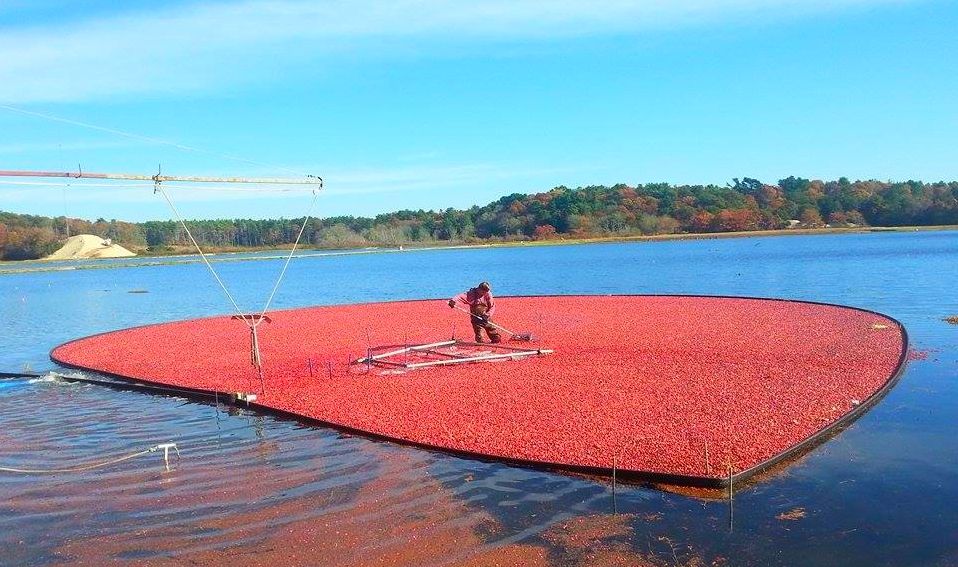
The good people at Mann Farms in Buzzards Bay were nice enough to let us stroll the grounds and climb around on their trucks with the camera. We go there a lot, so they're kind of used to us by now. We had the run of the place.

Buzzards Bay is pretty much as far South as someone can go in Massachusetts, so I'd imagine that this is about as late as you can harvest cranberries in Massachusetts. You might get some later harvests out on the Cape, or down in, say, Dartmouth, but it's just about Closing Time for local cranberry harvesting.


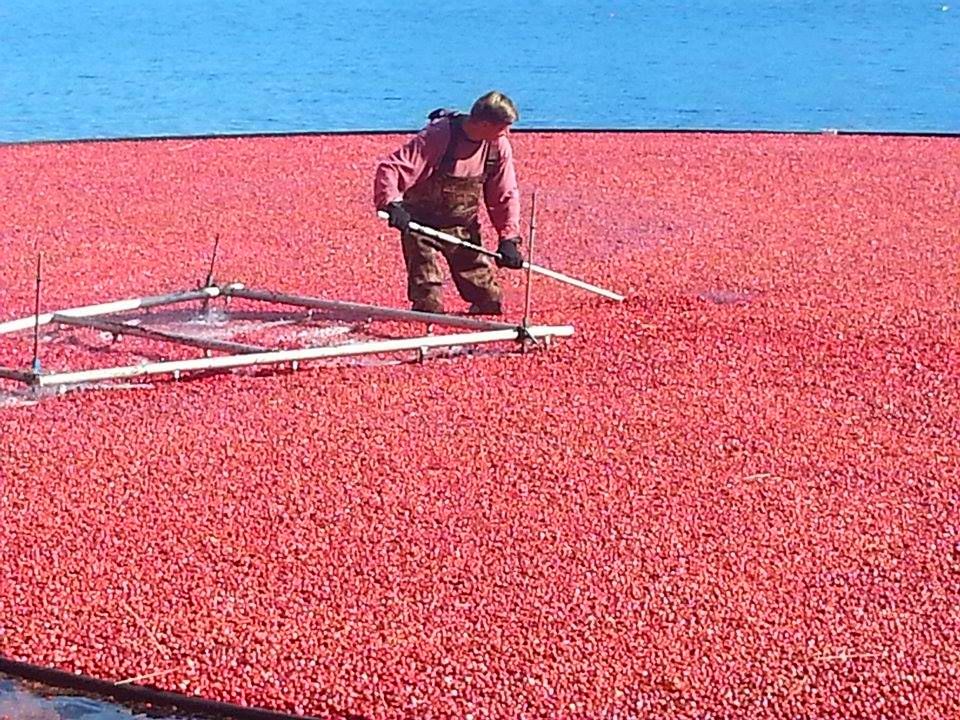
What you're seeing there is Wet Harvesting, where the bogs are flooded to shake the berries loose. They are then gathered up and loaded into the truck for the drive to Ocean Spray.

The other sort of harvest is the Dry Harvest, where the bogs are not flooded and everything is done by hand. It is very labor-intensive and cost-ineffective. This only accounts for 5-10% of the cranberries harvested, but it is almost 100% of any berries you see sold before processing or/and freezing. Most of your juice and sauce is taken in via the wet harvest.

I'm not sure if Mann Farms does any Dry Harvesting. That was one of the questions I forgot to ask, joining "What do the little blue/yellow/orange/red flags mean?" and "Instead of sand, can you make a thin layer of sugar over them and eliminate a step in the Sea Breeze process?"

Mann Farms also has organic bogs, where no chemicals or fertilizer are used, but they were way out in the back, and we had stuff to do.


Don't worry, that's supposed to be there!

To save time and labor, cranberry farms have a few of these machines around. They thresh, or whatever you call "beating the berries off of the vine."

You kind of have to drive them carefully between the vines, so you don't beat them up too badly. It was designed for that, and I believe it is still called a "Mathewson."

It looks like someone got carried away with modifying the riding mower and that is essentially what you're looking at, but the Mann Farms people have been using that one since I moved into the neighborhood, and they seem quite fond of it.

It has a sister one you can see being operated in some of the other shots, like this one down below.


No, the guys working the bog don't stand there very much and talk to each other with Sarah Palin accents like they do in the Ocean Spray commercials. The Mann Farms people were pretty busy whenever we were over there shooting.

The cranberry harvest guys also tend towards the Irish, with a heavy mix of Portuguese thrown in. This is another aspect missing from the Ocean Spray commercials, which- to be fair- I'm pretty sure are set in a Wisconsin bog.

I say that because Wisconsin- which is a much larger physical state than Massachusetts- is the number one producer of cranberries in America. Massachusetts, representing hard, is ranked second.

People In The Know tell me that Massachusetts cranberries are like wayyyyyyyyyyyyyy better than Wisconsin cranberries. If you want your Thanksgiving to be at all authentic and Pilgrimesque, you aren't trying to see no Wisconsin cranberries. No offense, but I mean, come on now...


Once the lawnmower man and the guy with the big rake get the berries rounded up and brought to shore, they have this big machine that sort of works like the Vampire Squid blood funnel that Matt Taibbi described Goldman-Sachs as. It sucks all of the berries from the water, and sends them off to the Man.

They harvest enough berries that Mann's fleet of trucks (OK, 2 or 3) are moving constantly for a few weeks at this time of year. They would hardly notice if a couple of journalists who are giving them a ton of free publicity went in one night and liberated a gallon or five of Doze Berries.

They'll sell them to Ocean Spray (or Dole, or whoever else buys truckloads of cranberries) for whatever the going rate is. Prices can vary wildly, and any Cranberry historian will come across numerous boom and bust eras in the biz.

Massachusetts farmers did a lot better before large tracts of Wisconsin were devoted to cranberry farming, but that's all water under the bog now. There's no need to hold a grudge, although I do anyhow.

Cool Cranberry Facts!


- That picture above is what a cranberry bog looks like when the berries are ripe but they haven't flooded it yet.

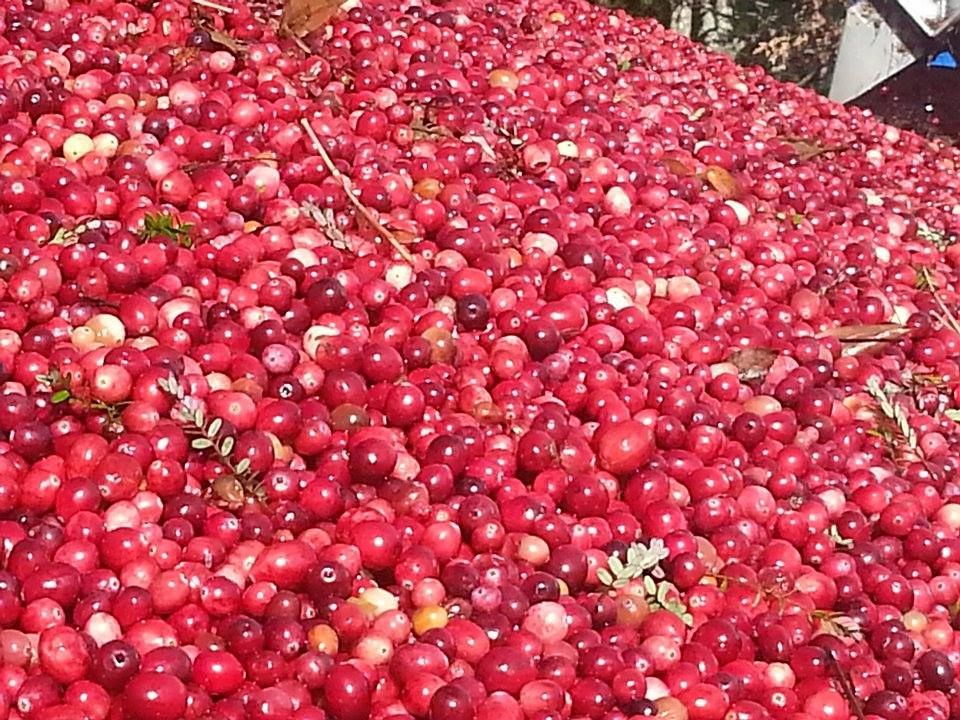
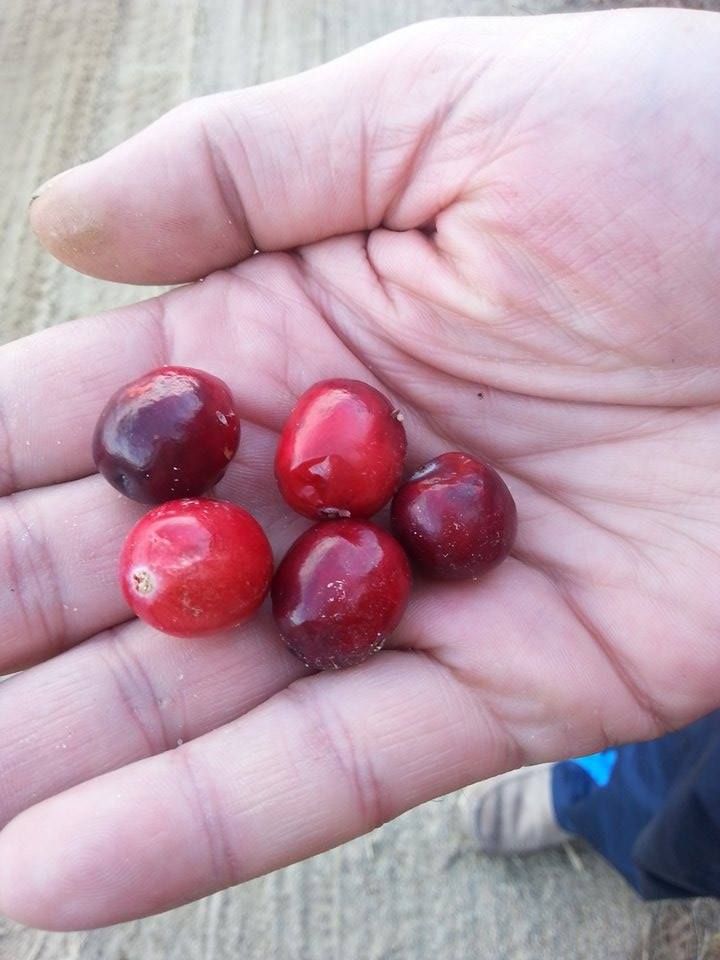
- White Cranberry Juice is made from berries that haven't fully ripened yet. Cranberries will start white, then turn cherry red and then dark red as they ripen.

- Cranberry juice dates back to 1683, and was probably made much, much earlier.

- The first Thanksgiving in Plimoth didn't have cranberry sauce. They couldn't afford the 1:1 berry-to-sugar ratio needed to make palatable cranberry sauce. They may have eaten some cranberries, but not as sauce.

- The Algonquin word for cranberries (and therefore the official name, because they discovered them and named them first) is Sassamanash or something very close to that.


- The prominent Cranberry drink is the world famous Cape Codder, which is vodka and cranberry juice.

- The Cape Codder first turns up in an Ocean Spray cookbook in 1945, named "The Red Devil." It became known as the Cape Codder nationally by the 1960s.

- The cranberry is also prominent in a Sea Breeze, a Bay Breeze, a Madras, a Cosmopolitan, a Red Snapper, and a Sex On The Beach. You can't ask much more from a berry than that, folks.

- If you are planning on drinking enough to vomit, why not finish up with a half dozen Cape Codders? When it finally comes to Hurling Time, you can pretend to be the elevator in The Shining.

- The singer in Christmas Wrapping finally meets the guy because she forgot cranberry sauce and had to go to the A&P. After that, I presume she gets wrecked on the regular.

- In the novel version and maybe the movie version of American Psycho, Patrick Bateman explains away blood stains on his sheets as being from alternately cranberry juice, Cranapple, or Bosco.


- In 1868, a 100 pound barrel of cranberries sold for fifty cents.

- 1953 saw the first million barrel cranberry crop, although a "cranberry scare" nearly wiped out the industry in 1959.

- The 1958-9 Cranberry Scare involved a small shipment of cranberries being contaminated by a cancer-causing weed killer. It got national when a government man recommended avoiding cranberries.

- Between the 1960s (following the scare) and the 1980s, many variations of cranberry products began to appear on the marketplace. This is where we got Cran-Grape and so forth, so it must be viewed as a positive era.

- 1997 saw a dramatic oversupply of cranberries, and a wild drop in prices that wiped out many a bog. If you see a bog reverting back to wild in your town, this (or 1959) was probably what happened to it. Prices have stabilized since, and the industry is relatively profitable.


- Cranberry Sauce is heavily involved in one of the great Rock legends of all time, the "Paul Is Dead" myth surrounding The Beatles.

At the end of Strawberry Fields Forever, John Lennon says something that very much sounds like "I buried Paul."

This went down while Paul McCartney was the subject of a death rumor. The basics of the rumor was that the cute Beatle had been killed in an accident, had been replaced by a double so as to keep the band together, and that John Lennon was issuing confession/hints on various Beatles projects. The barefoot Paul on the Abbey Road cover is part of it, as is "Turn Me On, Dead Man."

The chief clue was "I buried Paul," spoken by John Lennon in SFF.

According to John Lennon, he is actually saying "cranberry sauce." The Brits got a lot of cranberry sauce during the Marshall Plan, and Lennon either loved it, hated it, or just got the words stuck in his mind. He would put nonsense in other songs on the Magical Mystery Tour album, so it's not as odd as it sounds.

Ironically, Paul just has to outlive Ringo to be the last surviving Beatle.


- Contrary to popular belief, cranberry juice doesn't stop urinary tact infections.

- English sailors coming ashore in Virginia were met by Natives bearing gifts of fresh cranberries.

- The "bearberries" name is from Roger Williams.

- New Englanders sent King Charles ten barrels of cranberries to assuage his anger after he caught them issuing their own currency. Charles was later beheaded, so *uck him.

- Thomas Jefferson liked cranberries enough to use up a favor with James Madison to get some shipped to him in France.

Cranberries, raw
Nutritional value per 100 g (3.5 oz)
Energy46 kcal (190 kJ)
12.2 g
Sugars4.04 g
Dietary fiber4.6 g
0.13 g
0.39 g
Vitamins
Vitamin A equiv.
(0%)
3 μg
(0%)
36 μg
91 μg
Thiamine (B1)
(1%)
0.012 mg
Riboflavin (B2)
(2%)
0.02 mg
Niacin (B3)
(1%)
0.101 mg
(6%)
0.295 mg
Vitamin B6
(4%)
0.057 mg
Folate (B9)
(0%)
1 μg
Vitamin C
(16%)
13.3 mg
Vitamin E
(8%)
1.2 mg
Vitamin K
(5%)
5.1 μg
Trace metals
Calcium
(1%)
8 mg
Iron
(2%)
0.25 mg
Magnesium
(2%)
6 mg
Manganese
(17%)
0.36 mg
Phosphorus
(2%)
13 mg
Potassium
(2%)
85 mg
Sodium
(0%)
2 mg
Zinc
(1%)
0.1 mg
Other constituents
Water87.13 g


- Ocean Spray was formed in Hanson, Massachusetts during the 1930s. Part of the team was A.D. Makepeace, who has bogs all over the South Shore and South Coast (I think AD owns a large share of Wareham), has been in operation since the 19th Century, and is the largest cranberry grower on the planet.

- The team of Edward Gelsthorpe and Sylvia Schur invented Cranapple in 1963. Folks called him "Cranapple Ed."

- Ocean Spray has a 440,000 sq foot plant in friggin' Wisconsin. Ironically, Cranberry County Magazine is based out of an office in a 440 sq foot cottage, in Massachusetts.

- Mann Farms isn't a Makepeace industry, they're just a little independent guy. We thank them for letting us stroll the premises.

Saturday, June 3, 2017

Witch Rock In Rochester


Massachusetts has no shortage of strange rocks. Plymouth Rock, Dighton Rock, the Bourne Stone, Sacrifice Rock and several other odd stones dot the landscape around these parts, and we decided to check out one of the cooler ones the other day... Witch Rock, in Rochester.

There are several genesis stories for this rock, which is off of New Bedford Road in Rochester. None of the stories I found matched my own theory, which is that the stone itself looks like a witch face. C'mon, look at the nose... and the Donald Trump hair... OK, let's see what other people say.

Depending on who you ask, Witch Rock's legend stems from either

A) Native Americans shunned the place, as they believed that evil spirits lurked there.

...or

B) Colonial-type Americans hung a witch from a tree near there, and her spirit escaped into the rock.

...or

C) Some guy owned property with a huge boulder on it. He told people that he lived near a big rock. After a thousand times of people asking "Which rock?"... he finally painted it so he could answer with an Abbott & Costello style "Yes."

...and this makes sense

D) Someone thought that it would be cool for Halloween or that it would increase their property value.

The witch hunting hysteria in Salem never really touched colonial Plymouth, and no records exist of any witch-killin' in Rochester.

The locals tell you that you can see all sorts of scary things with this rock. Mist rises from it, you can hear laughter coming from it, it glows during electrical storms, animals won't go near it, etc...

Witch Rock, and Rochester in general, make for a nice road trip. I'll be upfront, though... it's a rock. If you drive a long way to see it, you're going to be in trouble with whoever you talked into going there. This is nothing against Rochester, which is an absolutely beautiful town to drive around in.

We recommend visiting Witch Rock in the fall, when you can combine it with a drive through Rochester's awesome foliage. You want to multi-task in the smaller towns around here.

See the witch face? I can't be alone on this!


Front Door vs Back Door With Waterfront Houses

We are here today to discuss matters of great importance. Specifically... on a beach house or even a lake house, is the front door of...